
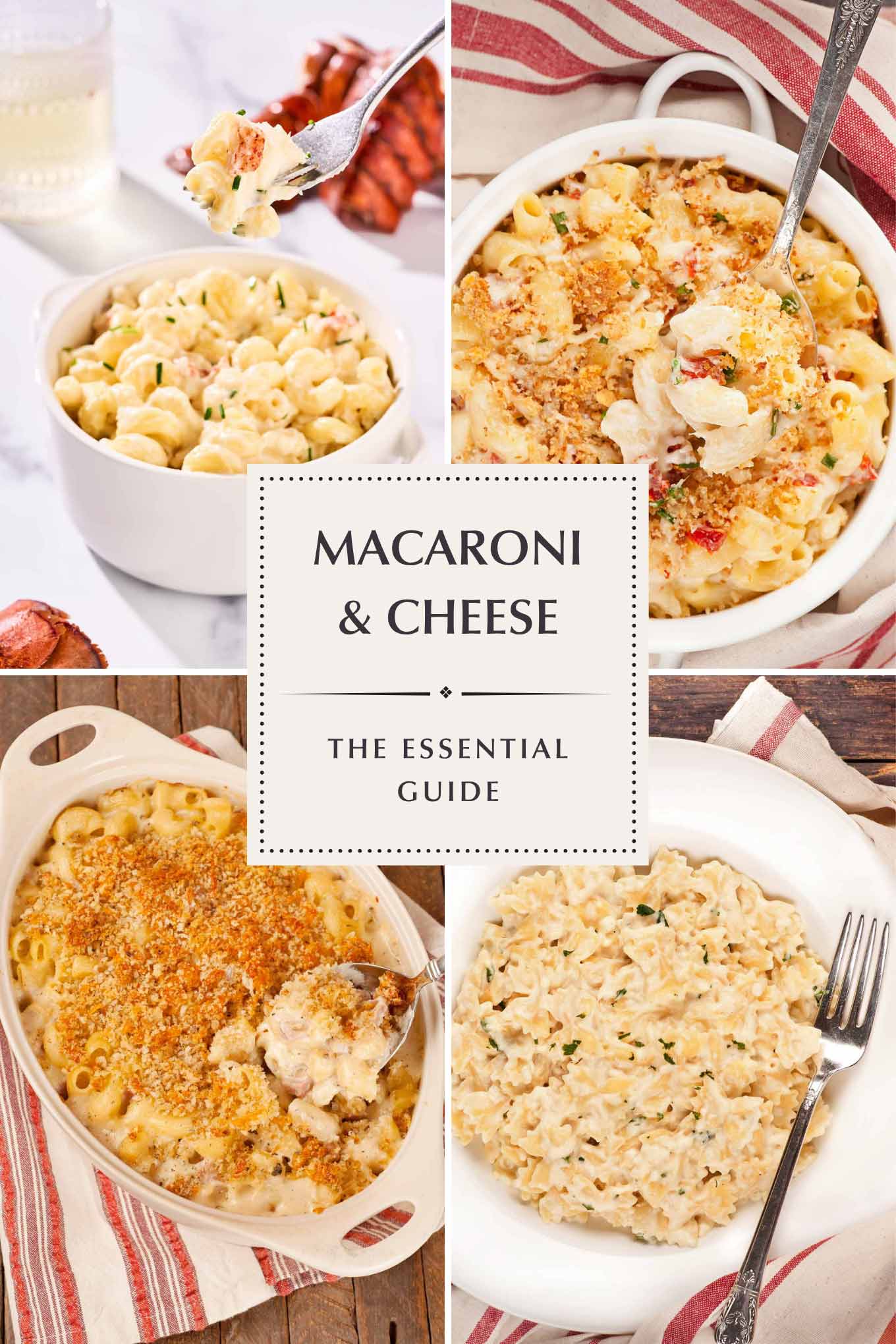
From béchamel sauce to cheese selection and pasta shapes, this guide walks through everything you need to make homemade macaroni and cheese from scratch.
Macaroni and Cheese at a Glance
- Foundation: Pasta + béchamel sauce + cheese
- Best Pasta Shapes: Elbows, cavatappi, shells, pipette, mini farfalle
- Best Melting Cheeses: Fontina, Gruyère, Gouda, cheddar, Havarti, Monterey Jack
- For Creamiest Results: Use whole milk and grate cheese fresh
- Stovetop Style: Softer, creamier texture
- Baked Style: Firmer texture with crisp topping
The Secret to Better Homemade Mac and Cheese
Homemade macaroni and cheese starts with a simple formula: pasta, béchamel sauce, and cheese. Once you understand how those three elements work together, it’s easy to create everything from creamy stovetop versions to baked casseroles with crisp toppings and more complex flavor combinations.
This guide walks through the basic techniques for making macaroni and cheese from scratch, including how to choose the right pasta and cheeses, how to build a smooth sauce, and when to bake versus serve straight from the stovetop. We’ve also included some of our favorite variations, from French-inspired baked macaroni and cheese to rich stovetop lobster mac and cheese.
Choosing the Right Ingredients
Creamy, flavorful mac and cheese starts with thoughtfully chosen ingredients. Here are the guidelines you’ll want to follow.
Use Whole Milk and Real Butter
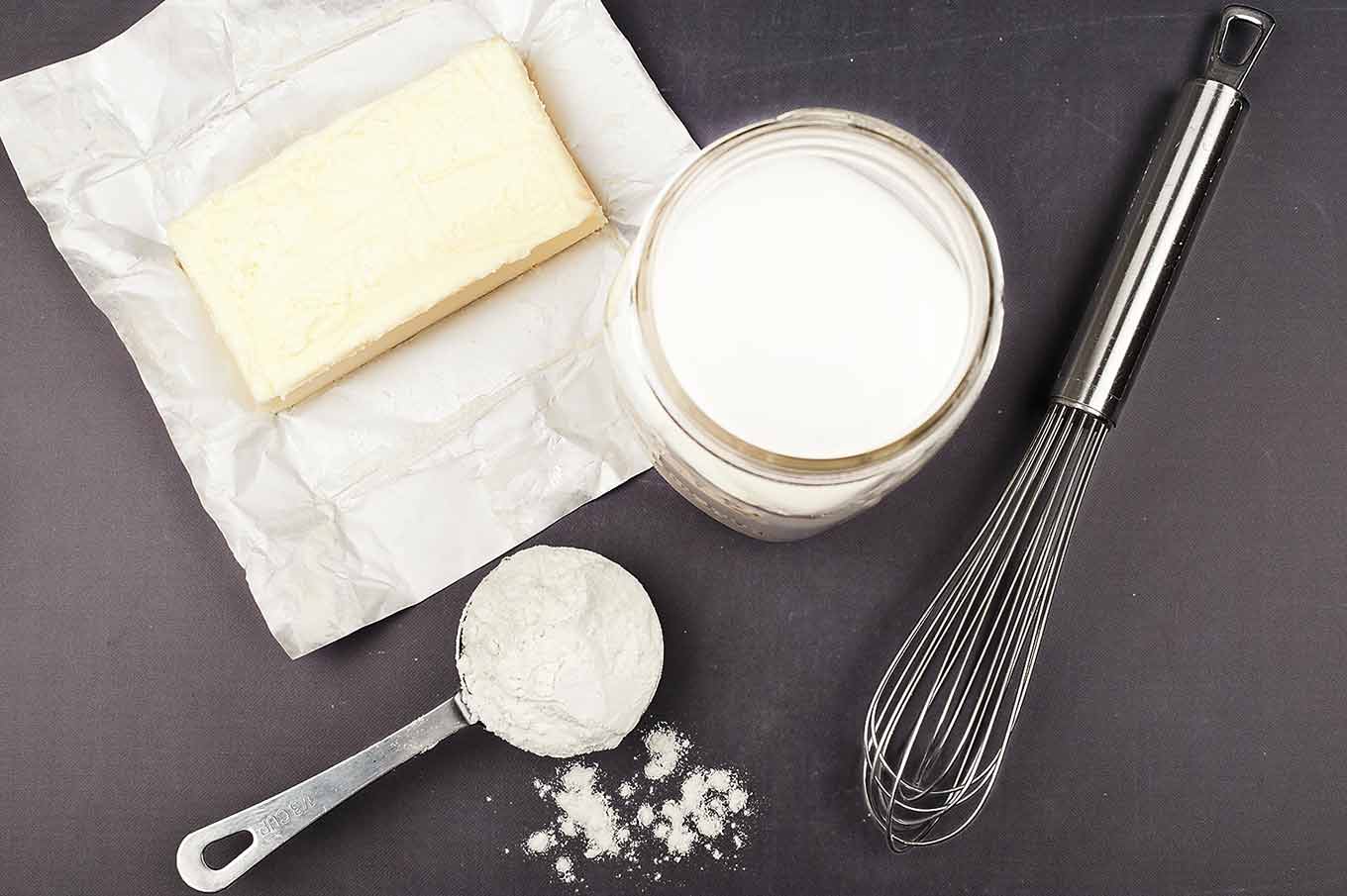
Full-fat dairy produces a smoother, creamier sauce that’s less likely to separate. Whole milk and unsalted butter yield the best results.
Pick Pasta That Holds the Sauce
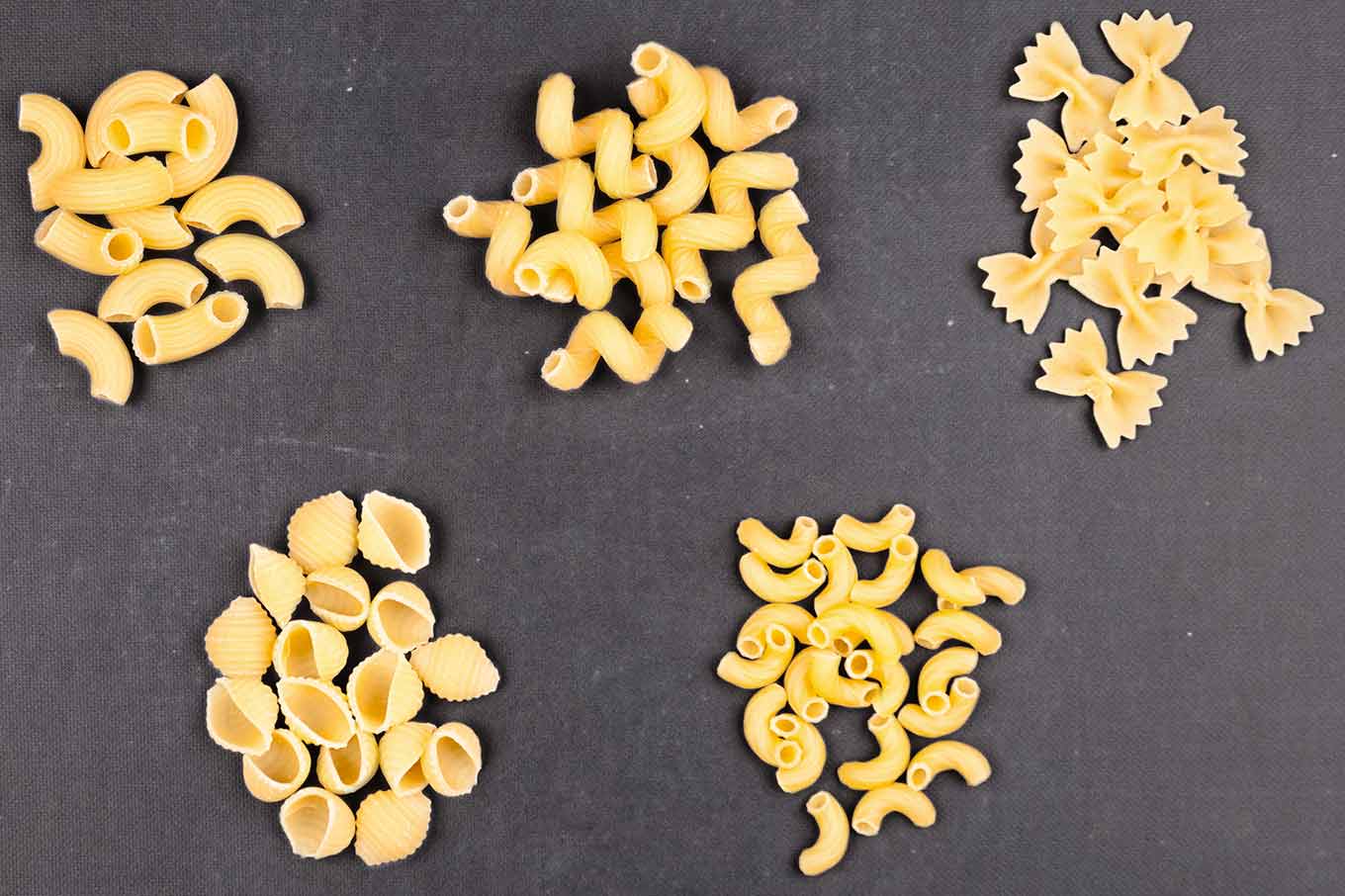
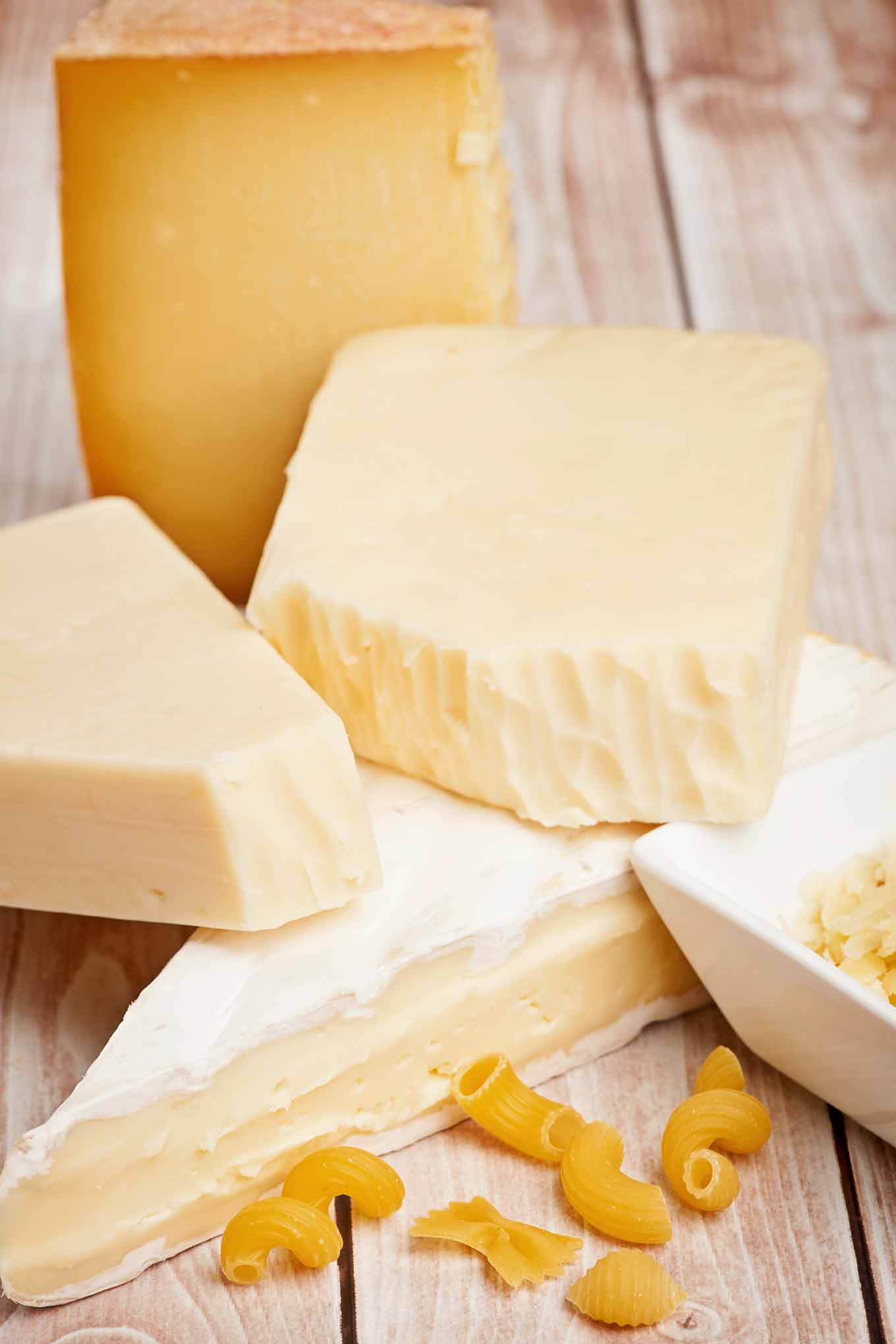
Small pasta shapes with ridges or curves hold cheese sauce especially well. Elbows, pipette, cavatappi, mini farfalle, and shells are all great choices.
Choose Smooth-Melting Cheeses
Some cheeses melt better than others. Fontina, Gruyère, Gouda, Havarti, mozzarella, Monterey Jack, Muenster, and cheddar all produce smooth, flavorful sauces when freshly grated.
Tip: Keep cheese cold until you’re ready to grate it and avoid pre-shredded cheese. Their anti-caking agents can interfere with melting and lead to a grainy sauce.
Start with Béchamel Sauce
The foundation of homemade macaroni and cheese is béchamel, one of the classic French “mother sauces.” It’s made by cooking butter and flour together to form a roux, then whisking in warm milk to create a smooth, creamy sauce.
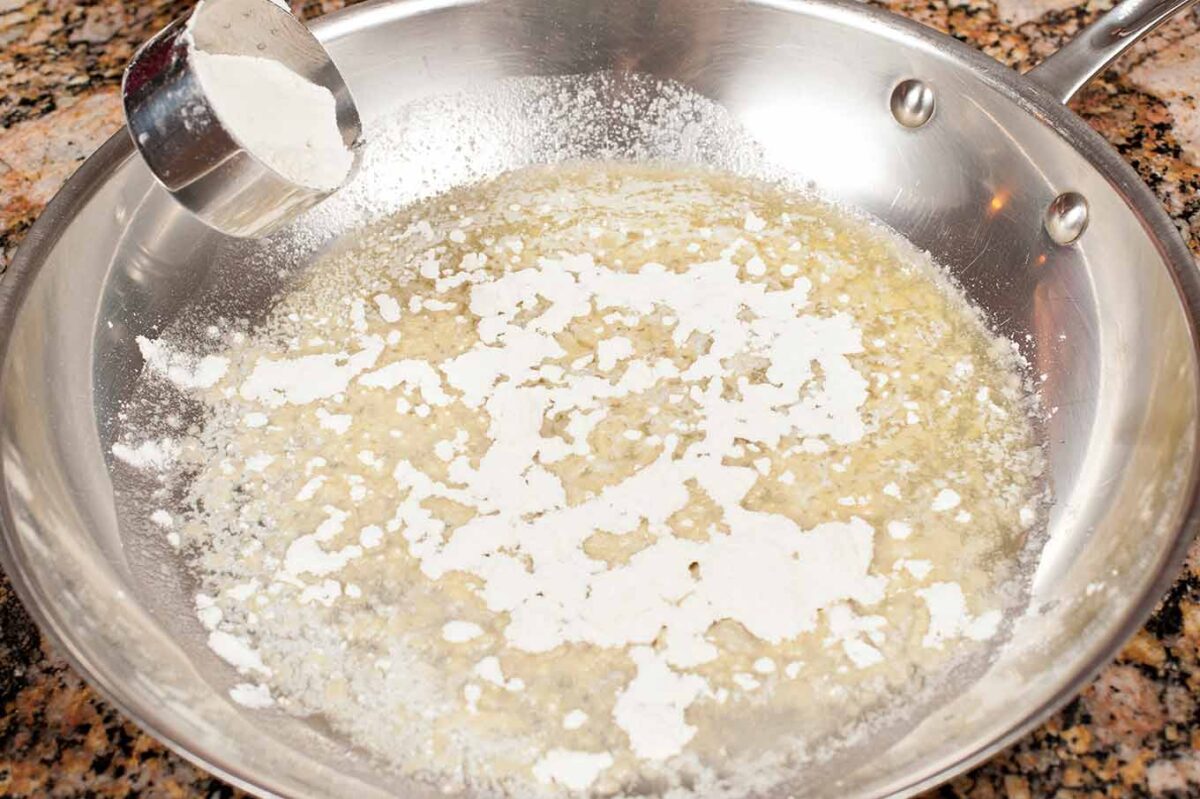
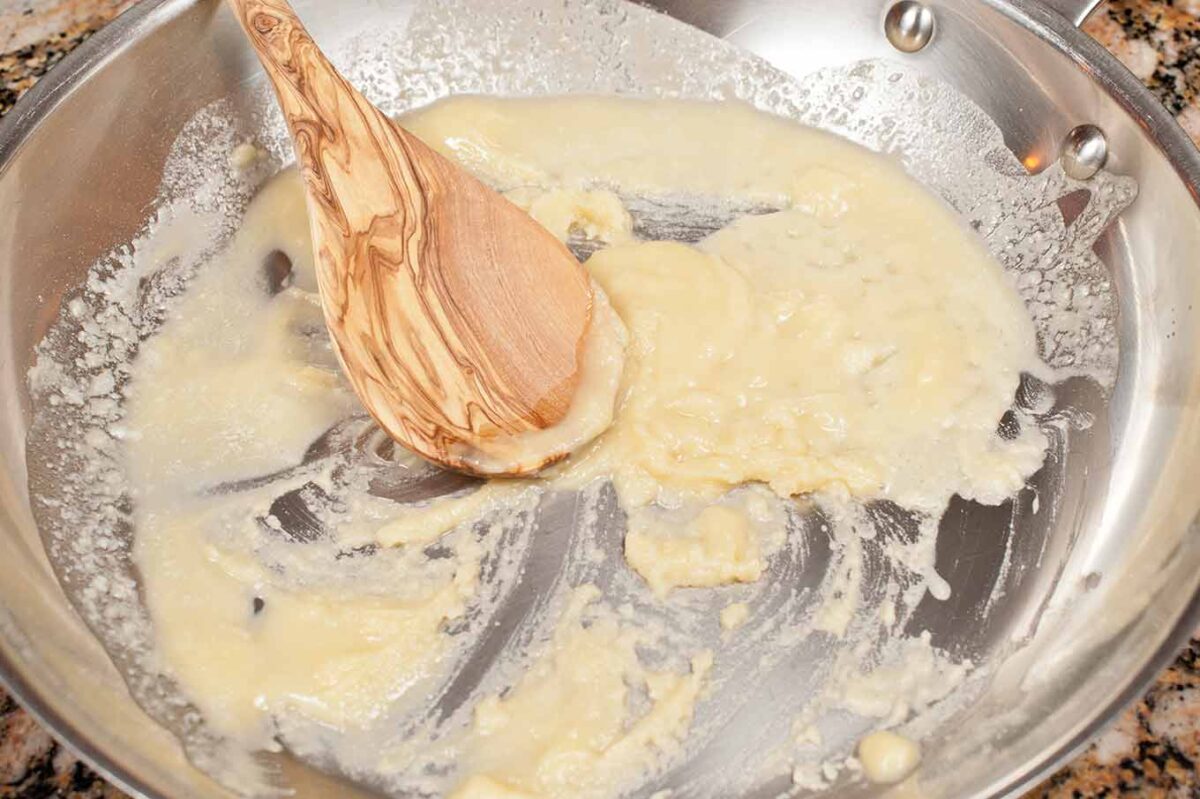
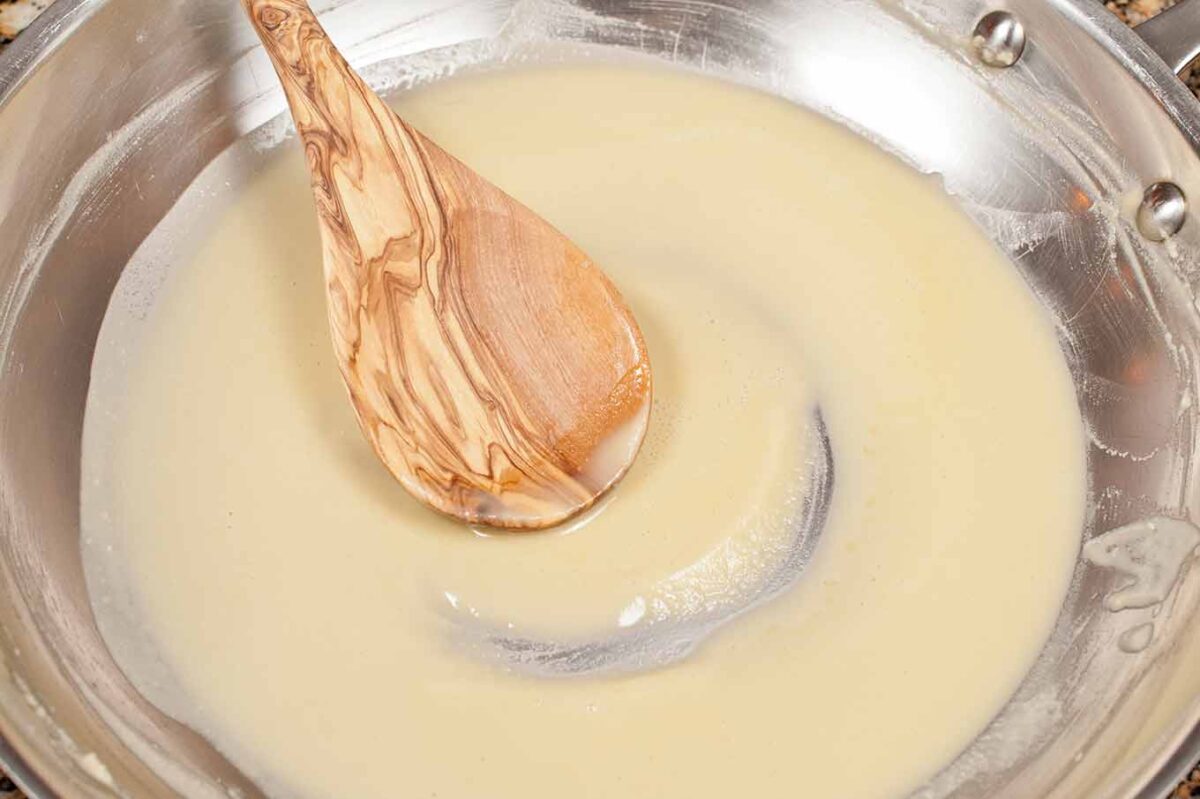
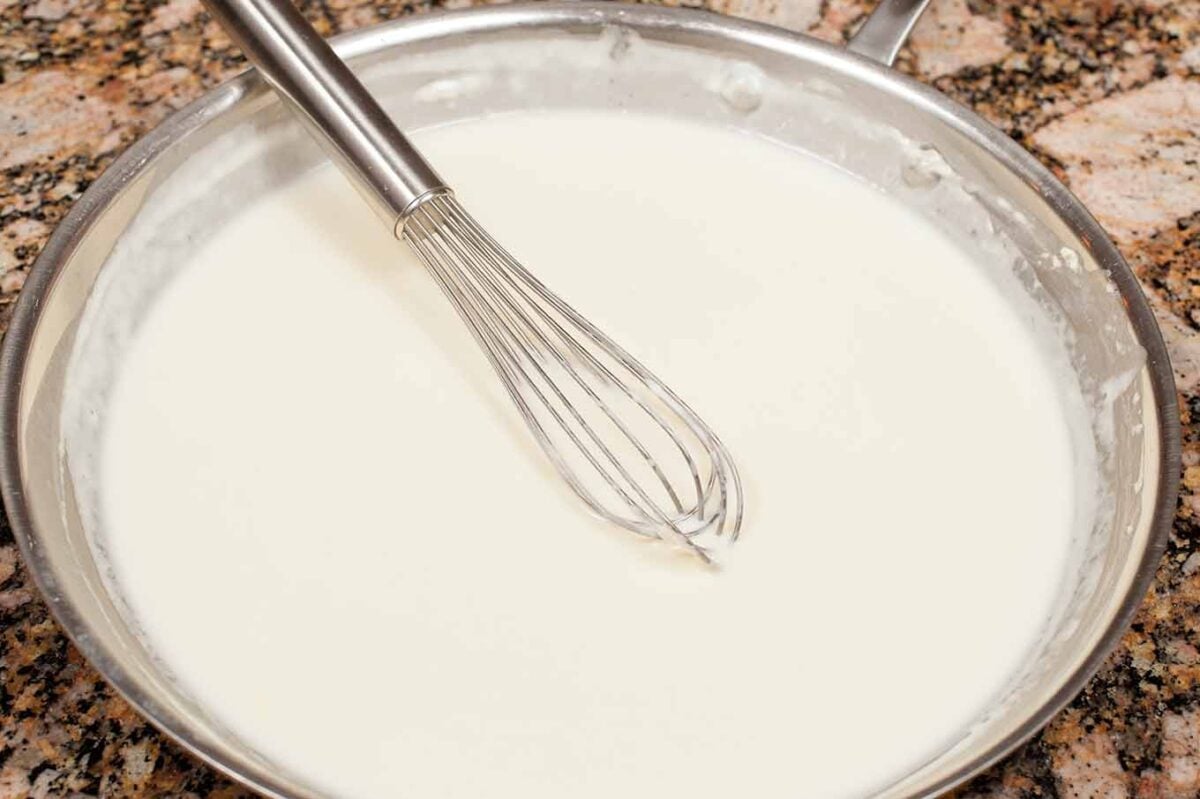
The ratio of butter, flour, and milk determines the consistency of the finished sauce, and warming the milk before adding it helps everything blend more evenly. Once the béchamel thickens enough to coat the back of a spoon, the cheese is added to create what’s technically called a Mornay sauce.
The Basic Macaroni and Cheese Formula
This formula works for both baked and stovetop macaroni and cheese and can easily be adapted with different cheeses, toppings, and add-ins.
Ingredients
- 3/4 pound pasta
- 4 tablespoons unsalted butter
- 4 tablespoons all purpose flour
- 3-3/4 cups whole milk
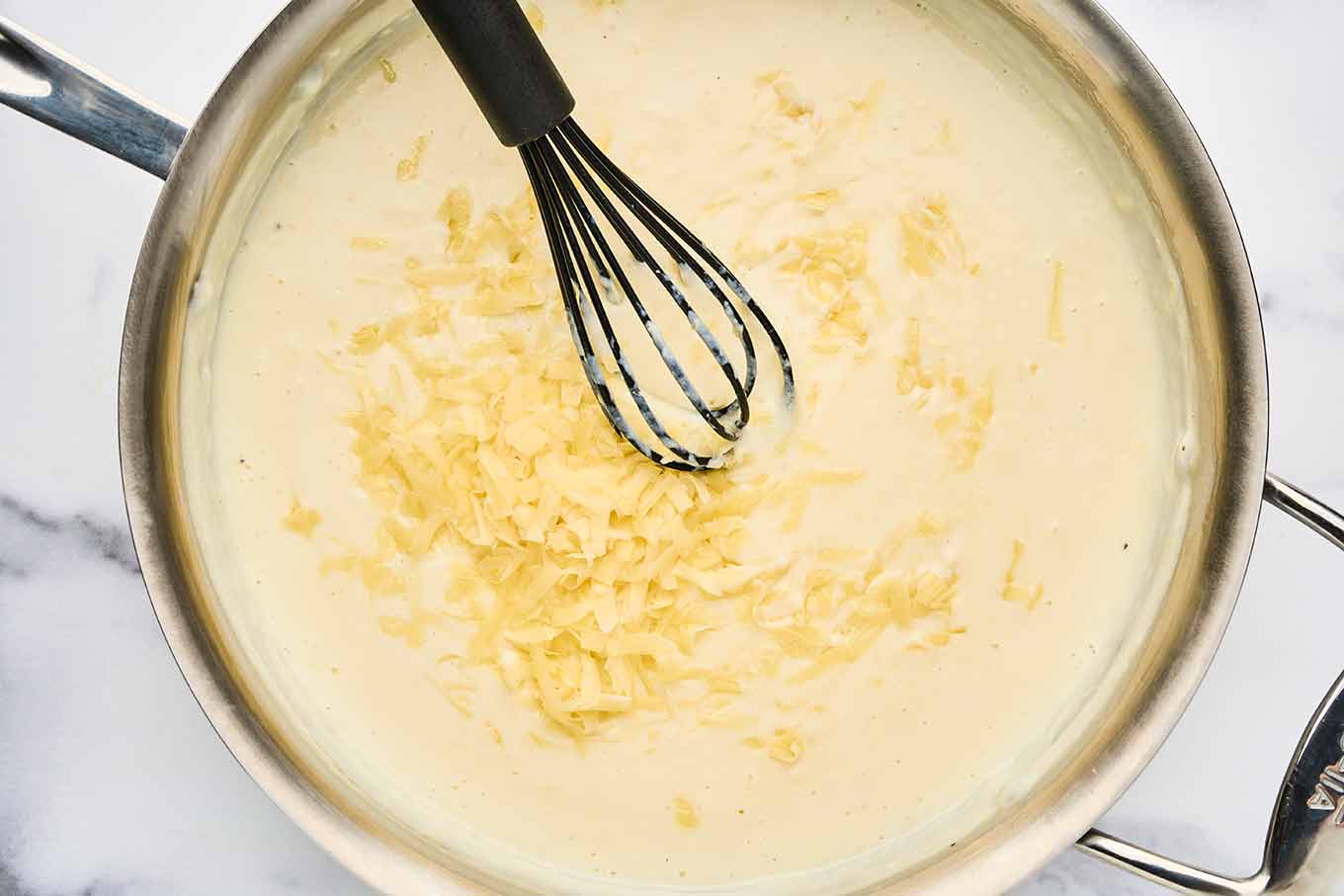
- 12 to 14 ounces cheese (up to 4 varieties)
Method
- Cook the pasta until al dente and set aside.
- Make a roux with butter and flour.
- Whisk in warm milk and cook until smooth and thickened.
- Stir in the cheese until fully melted.
- Add the pasta and any additional ingredients.
- Serve immediately for stovetop macaroni and cheese or transfer to a baking dish and bake until bubbly and lightly browned.
Tips for Smooth, Creamy Mac and Cheese
- Cook pasta just to al dente, especially for baked versions.
- Warm the milk before adding it to the roux for a smoother sauce.
- Grate the cheese just before using for best texture.
- Add cheese gradually over low heat to prevent separation.
- Let baked macaroni and cheese rest briefly before serving so the sauce can settle.
Stovetop Mac and Cheese Recipes
Stovetop macaroni and cheese stays softer and creamier because the sauce never goes into the oven. This style works particularly well with softer cheeses like mascarpone, Brie, cottage cheese, and fresh mozzarella.
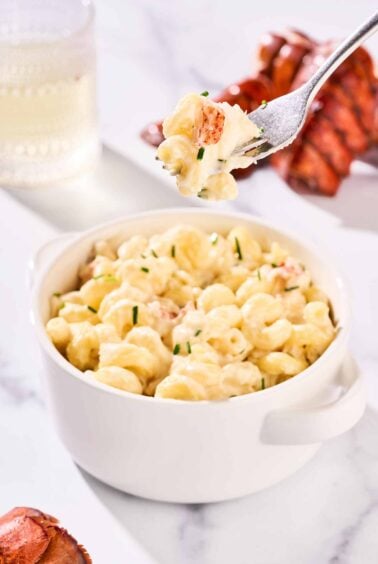
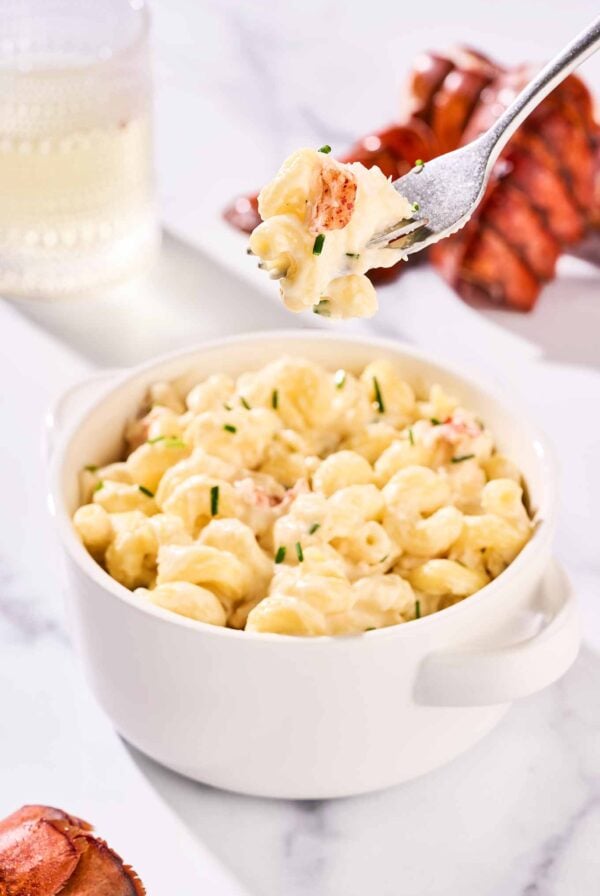
Creamy Stovetop Lobster Mac and Cheese
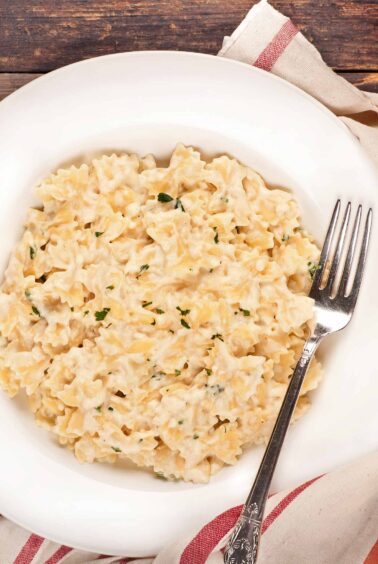
Cottage Cheese Macaroni and Cheese with Fontina
Baked Macaroni and Cheese Recipes
Baked macaroni and cheese develops a firmer texture and often includes a toasted breadcrumb topping for contrast. Cheeses like fontina, Gruyère, Gouda, and cheddar hold up especially well in baked casseroles.
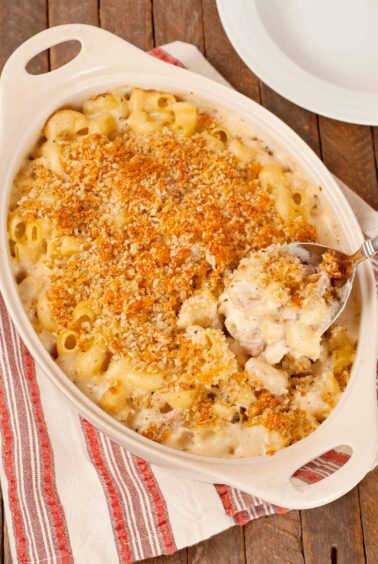
French Macaroni and Cheese with Ham
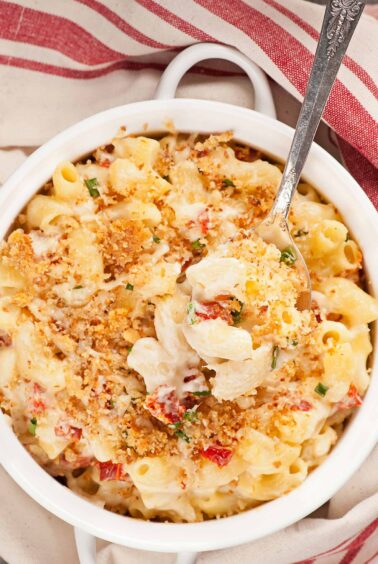
Goat Cheese Mac and Cheese with Sun-Dried Tomatoes
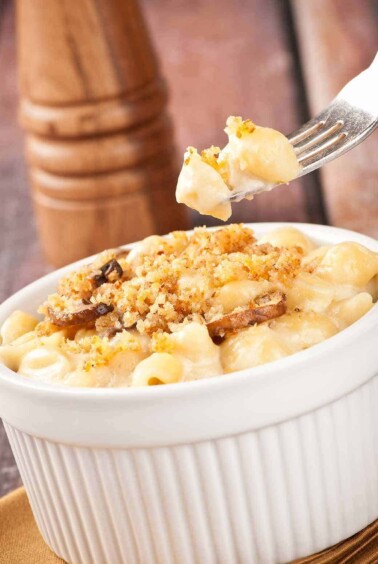
Baked Truffle Mac and Cheese
Once you understand the basic formula, homemade macaroni and cheese becomes endlessly adaptable. Whether you prefer a creamy stovetop version or a crisp-topped baked casserole, experimenting with different cheeses, pasta shapes, and add-ins is part of the fun.


Tween-aged grand kids are visiting and we made this recipe together. FABULOUS!!! Five stars!!!
Thanks for the five-star rating Debi! Glad you enjoyed.
I’ve followed your “plan” for making mac and cheese twice now, once for a baked version and once for stovetop. It’s easy to do and comes out great. Thanks!
Hi Ellis,
Glad the mac and cheese directions work out for you. Thanks for taking the time to let us know.
I used your instructions and made baked mac and cheese with cheddar and muenster cheese. It was fantastic.