

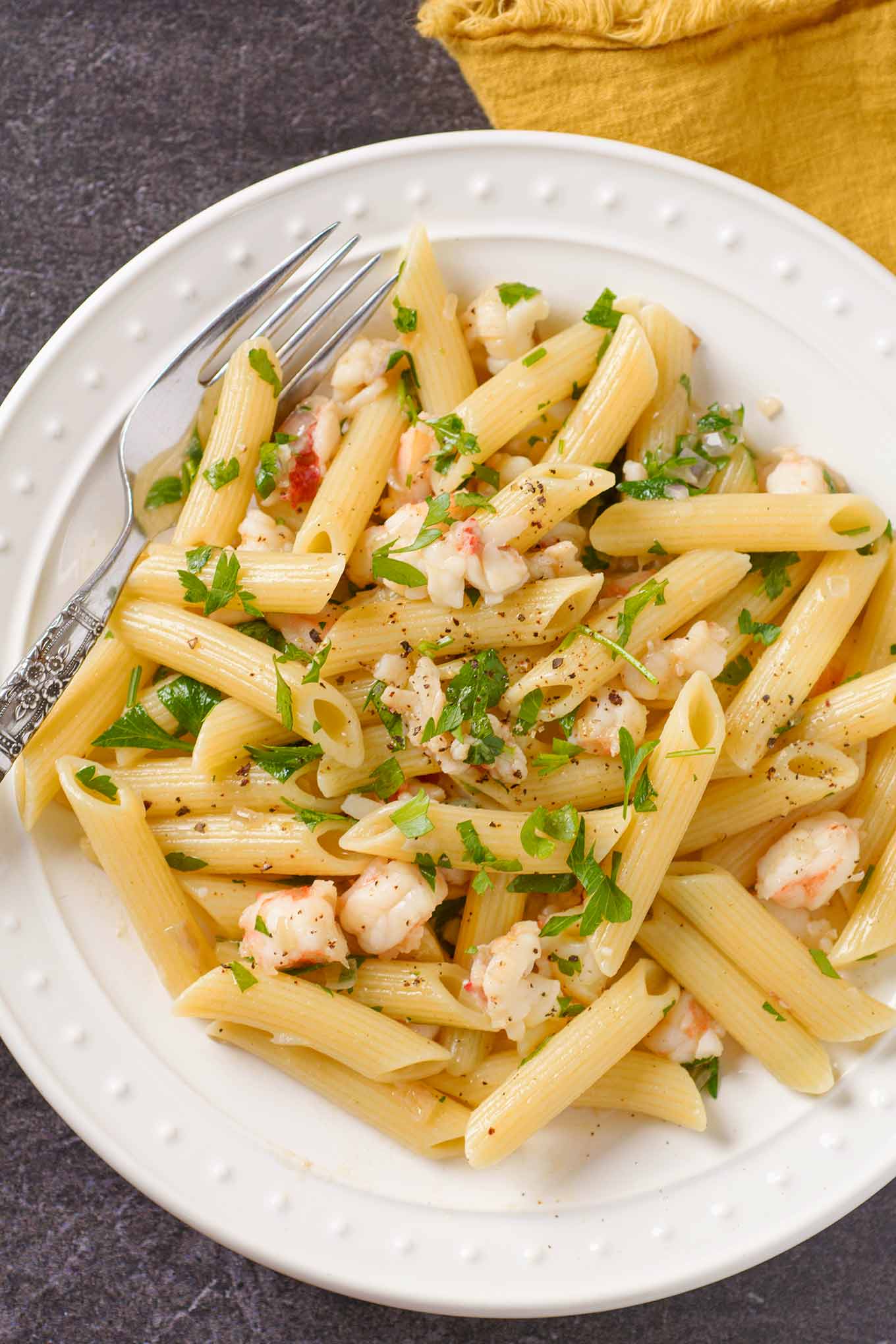
Lobster Tail Pasta, Elegant and Easy
- Servings: 2
- Total Time: 40 minutes
- Effort Level: Simple
When we created this lobster pasta, the goal was simplicity. Using lobster tails keeps portion size and cost in check, and pairing them with pasta makes serving something special feel manageable, not fussy.
Rather than using tomatoes or a heavy cream sauce, we start with shallots sautéed in butter and a brief white wine reduction to build flavor. A splash of cream keeps the sauce light, and an optional drizzle of truffle oil adds subtle earthiness, letting the lobster remain the focus.
Key Ingredients and Substitutions
A few key ingredients make this recipe work – here’s what to know. A complete list with quantities is in the recipe card below.
- Lobster tails – Cold-water lobster tails are our preference. They tend to be sweeter and more tender than warm-water varieties. Frozen tails are perfectly fine to use. For best results, thaw them overnight in the refrigerator. If substituting pre-cooked lobster meat, add it when the sauce is finished to avoid overcooking.
- Pasta – Choose a short pasta with ridges to hold the light sauce. Penne rigate is our first choice, but rotini and cavatappi (corkscrews) are good options too. Long pasta like linguine can work, but the shorter cuts distribute the lobster more evenly.
- Shallot -Shallots provide a subtle, balanced base for the sauce.Their flavor falls somewhere between onion and garlic, but when sautéed in butter, they turn mellow and slightly sweet making them a perfect pairing for the lobster.
- Truffle oil -Truffle oil is a finishing touch that adds an earthy, aromatic note to the dish, however, the recipe can still work beautifully without it. We recommend using a high-quality truffle oil and adding it at the very end of cooking to preserve its flavor and aroma.
A Quick Look at Preparation
How to Make Lobster Pasta
Here’s how this dish comes together, along with a few tips for the best results. Full instructions are in the recipe card below.
Start by removing the lobster meat from the shells before you begin cooking. Kitchen shears make this task easier, and a spoon helps loosen the meat cleanly from the shell. Cut the meat into bite-size pieces so it cooks evenly and distributes nicely throughout the pasta.
While the pasta cooks, prepare the sauce in a large skillet. Softening the shallots in butter creates a mellow flavor base, and a brief white wine reduction adds depth. Reducing the wine slightly mellows the alcohol and helps it to blend smoothly with the butter.
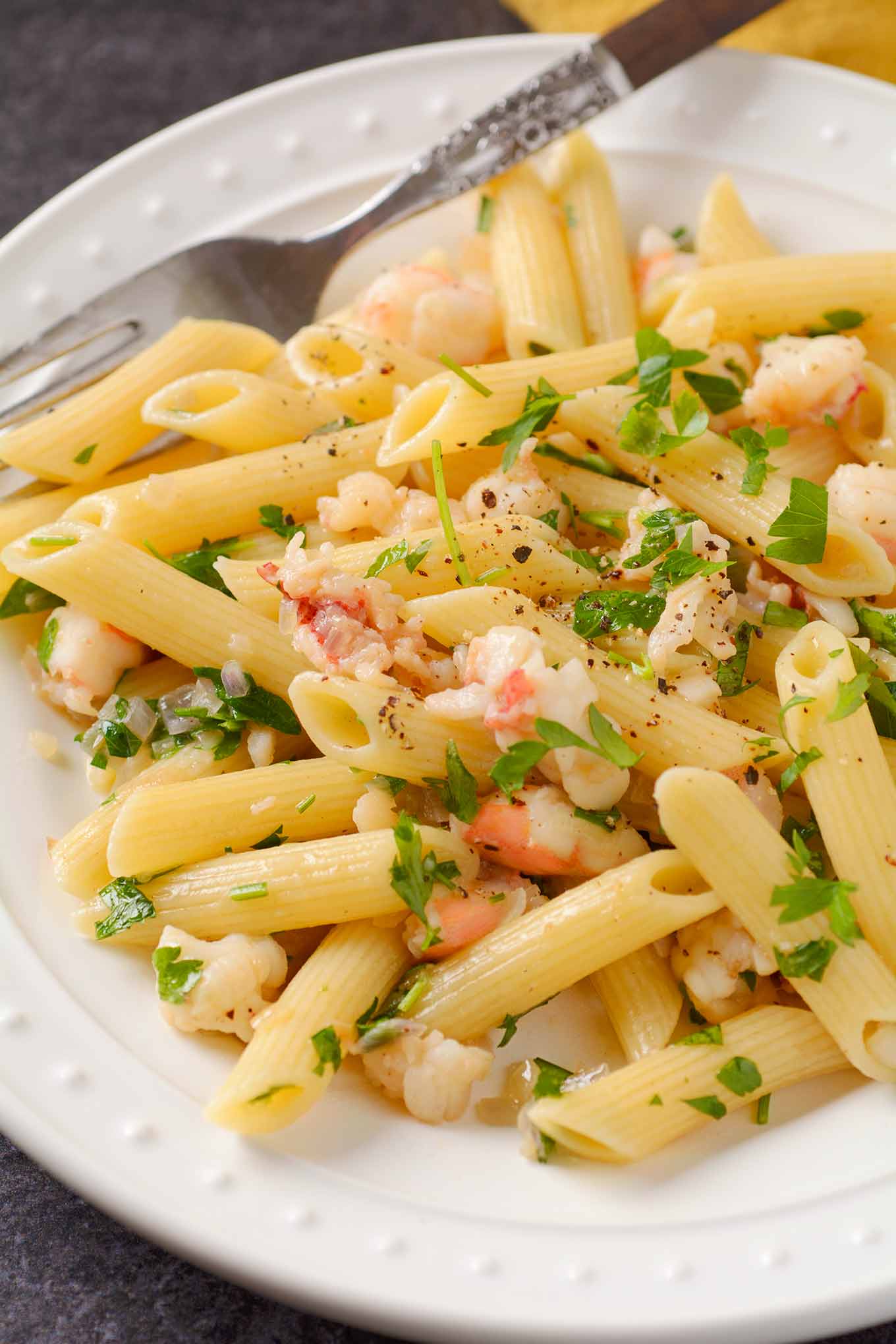
Add the lobster at the very end and cook it just until opaque. Lobster cooks quickly, and a short cooking time keeps it tender. Once the cream and parsley are stirred in, toss everything together and, if you like, finish the dish with a drizzle of truffle oil. The goal is a flavorful, lightly coated pasta where the lobster remains the primary flavor.
Tested Tips
- Have everything prepped before you start – Measure the wine, mince the shallots, and portion the butter before turning on the heat. A little preparation makes it much easier to avoid overcooking the delicate sauce.
- Add the lobster shells to the pasta water – After removing the meat, drop the empty shells into the pasta pot. They’ll release subtle flavor as the pasta cooks. The water may turn cloudy and foam slightly, but that’s normal. Remove the shells before draining.
- Reduce the wine before adding the cream – Allowing the wine to simmer briefly concentrates flavor and removes any harsh alcohol flavor. This small step keeps the sauce balanced and prevents it from tasting too acidic.
- Don’t overcook the lobster – Lobster goes from tender to rubbery quickly. As soon as the meat turns opaque and firm, it’s done. Keep in mind that it will continue to cook a bit more when tossed with the hot pasta.
- Use truffle oil as a finishing touch – Truffle oil makes a lovely, subtle complement for lobster. To make the most of it, add it just before serving and go easy with the quantity. Start with just half a teaspoon, taste, and add more in small increments. Use just enough so that you can note its earthy aroma.
More Seafood Pasta Recipes to Try
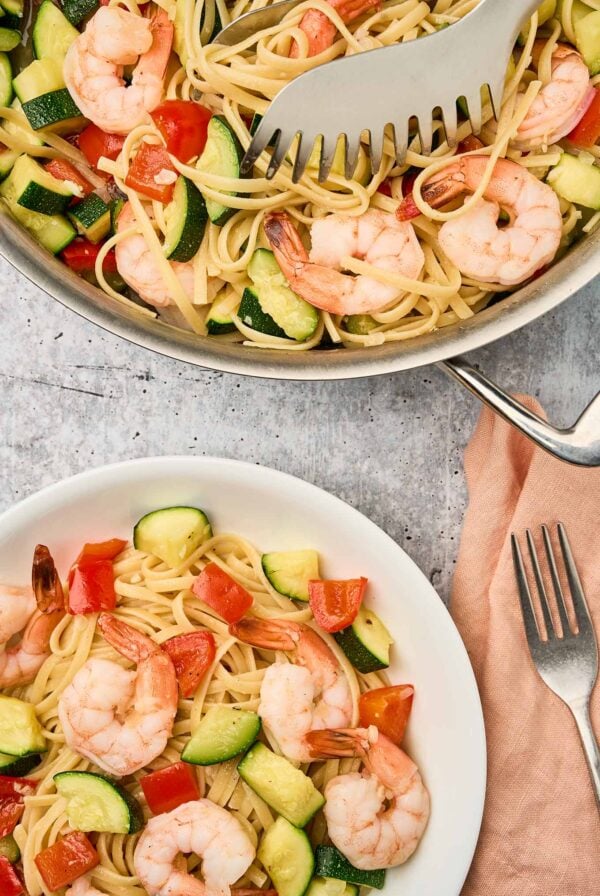
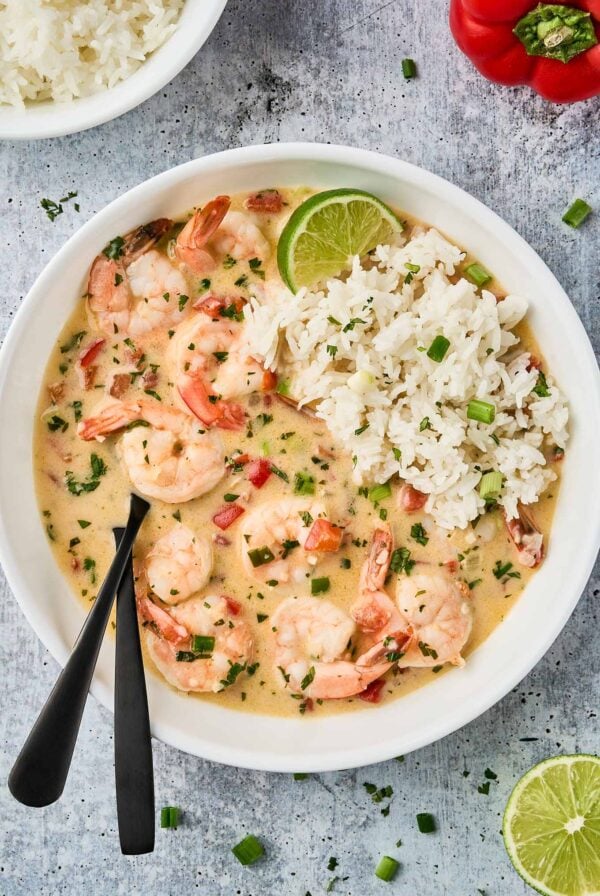
If lobster tail pasta is your style, you might also enjoy Scallops and Pasta with White Wine Butter, featuring pan-seared scallops and a delicate wine reduction; Linguine with Crab, a light yet flavorful seafood pasta with sweet lump crab and garlic; Shrimp Fra Diavolo, a bold tomato-based dish with garlic and red pepper heat; or Squid in Marinara Sauce, a classic Italian seafood simmered gently in bright tomato sauce.
Lobster Pasta with Shallot Butter Sauce
Ingredients
- 6 ounces penne, (or rotini, cavatappi)
- 3 cold-water lobster tails (5 ounces each), uncooked
- 3 tablespoons unsalted butter, divided
- 1 tablespoon minced shallot
- 1/4 cup dry white wine
- 2 tablespoons heavy cream
- 2 tablespoons chopped fresh parsley
- Salt and freshly ground black pepper
- 1/2 teaspoon truffle oil (optional), or more to taste
Instructions
- Bring a large pot of well-salted water to a boil for the pasta.
- Place each lobster tail on a cutting board with the underside facing up. Using kitchen shears, cut lengthwise along both sides of the softer underside shell, stopping at the tail fan. Gently peel back the shell.
- Slide a teaspoon between the meat and the hard upper shell to loosen it, then carefully lift out the meat in one piece. Check for and remove any dark vein, then cut the meat into bite-size pieces. Set aside.
- Add the empty lobster shells to the boiling pasta water and cook the pasta according to package directions. Remove and discard the shells before draining. Drain the pasta and immediately toss with 1 tablespoon of the butter. Cover to keep warm.
- Melt the remaining 2 tablespoons of butter in a large skillet over medium heat. Add the shallot and sauté until softened and lightly golden, 2 to 3 minutes.
- Add the white wine and simmer for 1 to 2 minutes, allowing it to reduce slightly to cook off the alcohol.
- Add the lobster meat and cook just until opaque, 2 to 3 minutes. Do not overcook.
- Stir in the heavy cream and parsley and season lightly with salt and a little freshly ground pepper. Add the pasta to the skillet and gently toss to coat evenly with the sauce.
- To finish the dish, drizzle the pasta with the truffle oil (if using). Toss again, taste, and add more in small increments if desired.
Nutrition
Nutrition information is automatically calculated, so should only be used as an approximation.



Great sauce! The only substitutions I made was using pappardelle pasta instead of ziti and 1/3 of a cup of half and half instead of heavy cream.