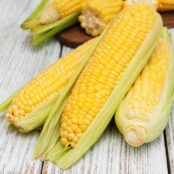
How to Cook Corn on the Cob
Fresh corn on the cob is a summertime favorite that brings the best of the season to your dinner table. Whether you're steaming, boiling, grilling, or microwaving, our guide on how to cook corn on the cob covers everything you need to know.
Servings: 4 servings
Ingredients
- 4 ears fresh corn
- Butter
- Salt and pepper
Instructions
Steamed corn on the cob:
- Remove the husks and silk from the corn. Add about 1-1/2 inches of water to the bottom of a pot with a steamer insert and bring it to a boil. Make sure the water is below the level of the steamer basket.
- Add your corn to the steamer in a single layer if possible. If you don’t have enough room, steam your corn in batches. Steam the ears until tender, 6 to 8 minutes.Tip: To keep corn warm while you cook additional batches, wrap it in foil and put it in a 200°F oven.
Boiled corn on the cob:
- Fill a stockpot about 2/3 full with water and bring to a boil over high heat. Using tongs, gently place the ears of corn into the water one at a time. Make sure they are all fully submerged.
- Once the water returns to a boil, cook until tender, 3 to 7 minutes. Use tongs to remove the corn from the pot, blot on a kitchen towel before transferring it to a serving platter.
Grilled corn on the cob (in the husk):
- Soak the ears in water for 30 to 45 minutes to keep the husks from burning on the grill. Be sure to drain them well before grilling. Preheat the grill to medium-high heat (about 400°F).
- Just before you’re ready to add the corn, oil the grates. Place the corn directly on the grill grates, cover, and cook until tender, 12 to 15 minutes, turning with tongs every 5 minutes. Let cool slightly before serving.
Microwaved corn on the cob (in the husk):
- Lightly rinse each ear of corn under cool running water to remove any dirt from the husks. Pat dry with paper towels. Arrange a maximum of 4 ears directly on the microwave turntable, leaving a little space between them. If you want to cook more than 4 ears, you'll need to work in batches.
- Microwave on high for 4 minutes for the first ear of corn, adding 2 minutes for every additional ear, up to 10 minutes total.Note: Microwaves vary in wattage so you may need to experiment a bit with this timing.
- Once the corn is cool enough to handle, cut off the stem end about 1/2 inch above the base. Once you've trimmed the stem, grasp the ear from the top, and shake up and down until the corn slips out of the husk.
Notes
Testing Corn for Doneness
Corn is done when the kernels appear plump and their yellow color is more vibrant. You can pierce a kernel with the tip of a knife to test for tenderness if desired. Be careful not to overcook corn as the kernels will become tough and chewy.Nutrition
Serving: 1ear | Calories: 77 | Total Fat: 1g | Sodium: 14mg | Carbohydrates: 17g | Fiber: 2g | Sugar: 6g | Protein: 3g